



Operating environments dictate the survival of a technical ceramic component, and the performance of alumina ceramics largely depends on the material’s purity level. The percentage of aluminum oxide (Al₂O₃) in a component dictates how it performs under heat, electrical load, chemical attack, and mechanical stress. Selecting the optimal grade prevents premature mechanical failure or unnecessary cost overruns.
C-Mac International manufactures six grades of high-purity alumina, from 95% all the way up to 99.8% ultra-high-purity alumina. This guide walks through what each grade offers and how to match it to your application.
C-Mac’s High-Purity Alumina Grades
We engineer alumina ceramics across a tight purity range so engineers can specify the exact balance of performance and cost their project needs. Here’s a closer look at each grade.
High Purity Alumina: 95–99%
Our CMAC 95, CMAC 97, and CMAC 99 grades cover the high-purity alumina range. These are workhorses for demanding industrial environments where you need strong mechanical properties without the cost of the highest grades.
Typical fits include:
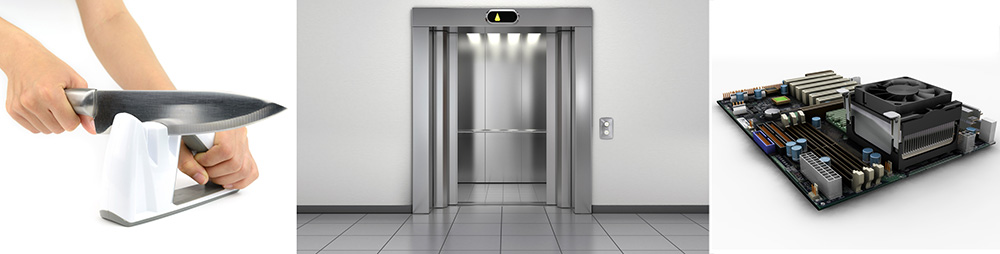
- Pump seals and mechanical seals in oil and gas equipment
- Nozzles and wear-resistant components for refractory and welding applications
- Heat sinks and substrates for general electronics
- Components for food and beverage processing lines
Ultra-High Purity Alumina: 99.5%+
Our CMAC 995, CMAC 997, and CMAC 998 grades fall within the ultra-high-purity alumina tier, with compositions up to 99.8% Al₂O₃.
As purity climbs, so does hardness, dielectric strength, and thermal conductivity. These grades are built for situations where contamination or dielectric loss is not an option, including:
- Thin-film hybrid integrated circuits
- Semiconductor processing parts
- Precision medical components
- High-frequency electronics applications
Alumina Purity Comparison Chart
| Grade | Purity (Al₂O₃) | Density (g/cm³) | Vickers Hardness (GPa) | Thermal Conductivity (W/m·K) | Max Operating Temp (°C) | Best For |
|---|---|---|---|---|---|---|
| CMAC 95 | 95% | 3.7 | 13.0 | 22 | 1600 | General wear parts, seals |
| CMAC 97 | 97% | 3.8 | 14.0 | 24 | 1600 | Nozzles, refractory |
| CMAC 99 | 99% | 3.88 | 15.5 | 27 | 1650 | Heat sinks, substrates |
| CMAC 995 | 99.5% | 3.9 | 16.0 | 28 | 1700 | Precision electronics |
| CMAC 997 | 99.7% | 3.9 | 17.2 | 30 | 1700 | Thin film circuits |
| CMAC 998 | 99.8% | 3.9 | 17.2 | 30 | 1700 | Semiconductor, medical |
Our Custom Manufacturing Capabilities
Specifying the right grade is only half the job. The other half is partnering with a manufacturer who can deliver the part to spec, on time, and with the documentation regulated industries require.
We design and machine alumina ceramic components to tight tolerances, backed by more than 100 years of combined experience in technical ceramics and tungsten carbide. Our shop handles everything from prototypes to production runs, with quick-turn pricing and stocking programs that keep your supply chain steady.
Our manufacturing capabilities include:
- ISO 9001:2015 & NSF certifications. Certified quality systems on every job
- 24-hour quote turnaround. Faster procurement without project delays
- Custom machining. Built for non-standard geometries and specialized requirements
- Material stocking programs. 6–12-month inventory support for scheduled releases
- Multi-material expertise. Alumina, zirconia, silicon nitride, boron nitride, and tungsten carbide ceramics
Choosing the Right Alumina Grade
To find the exact match for your operating parameters, engineers should evaluate how specific environmental factors influence material degradation. Review these critical application criteria before specifying a grade:
- Operating temperature. All C-Mac grades are engineered to withstand operating environments up to 1600°C and maintain structural mechanical strength across a wide range of thermally demanding applications.
- Electrical load insulation. Higher purity tiers increase dielectric strength and lower high-frequency signal loss, which is essential for thin-film hybrid integrated circuits and RF applications.
- Chemical exposure severity. Corrosive processing environments containing strong acids, alkalis, or molten metals require at least 99% purity to prevent chemical attack.
- Total project budget constraints. Lower purity grades, such as CMAC 95, offer highly cost-effective mechanical wear performance where extreme thermal or electrical thresholds are not required.
If you’re unsure, send us your application specs. Our engineering team will recommend a grade that hits your performance targets without overspending on purity you don’t need.
Contact C-Mac for High-Purity and Ultra-High-Purity Alumina
Optimizing component performance requires balancing material properties with supply chain reliability. By leveraging our domestic manufacturing facility, C-Mac helps engineering teams accelerate prototyping phases and mitigate international logistics risks.
If you have a technical part drawing or specialized application requirements, contact the C-Mac team today to secure precise, ITAR-compliant ceramic components machined from the exact alumina purity your project demands.